A Meeting in the Borderlands: The MULTI-HERITAGE2024 Consortium Convenes in Rybník
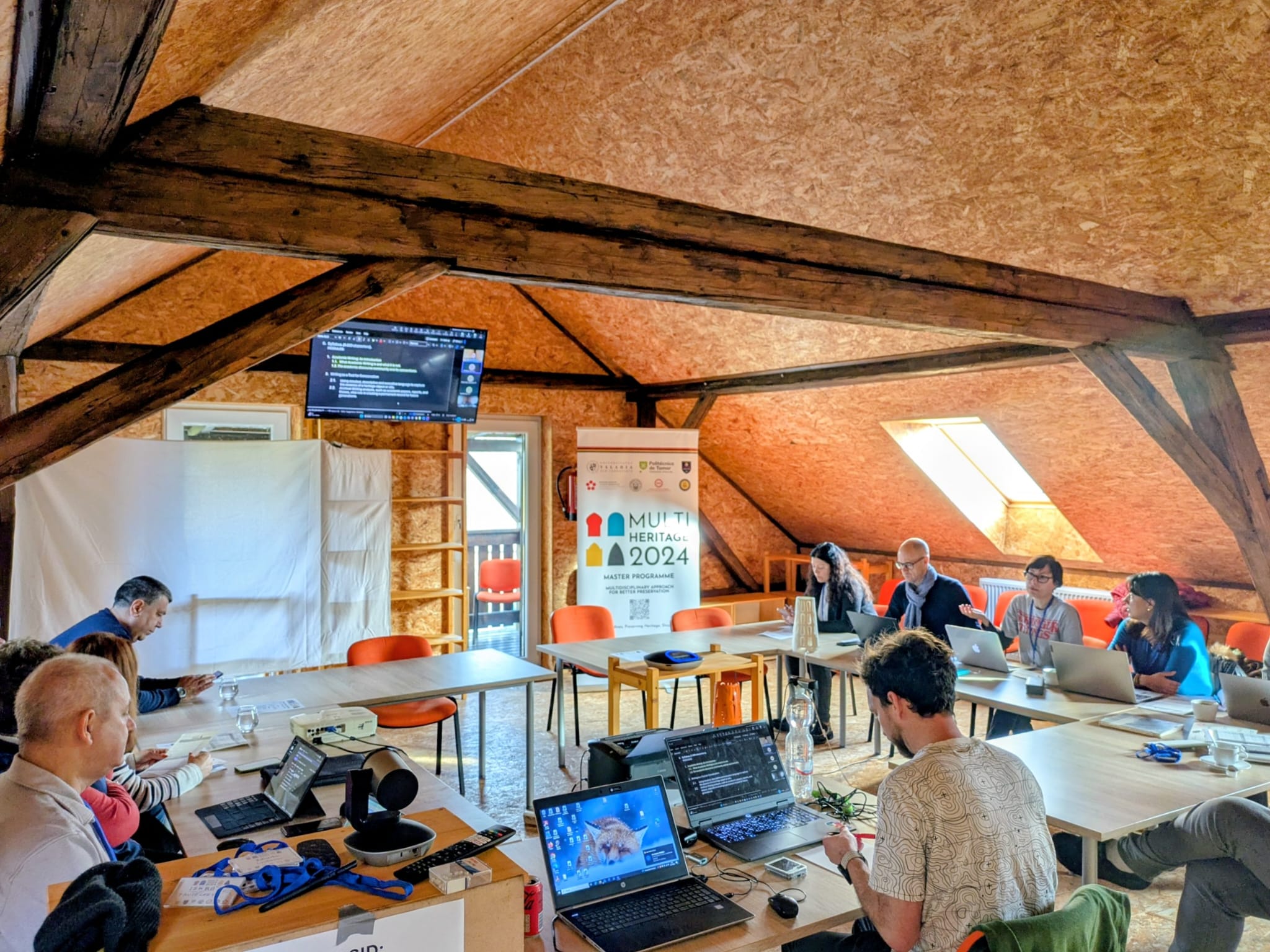
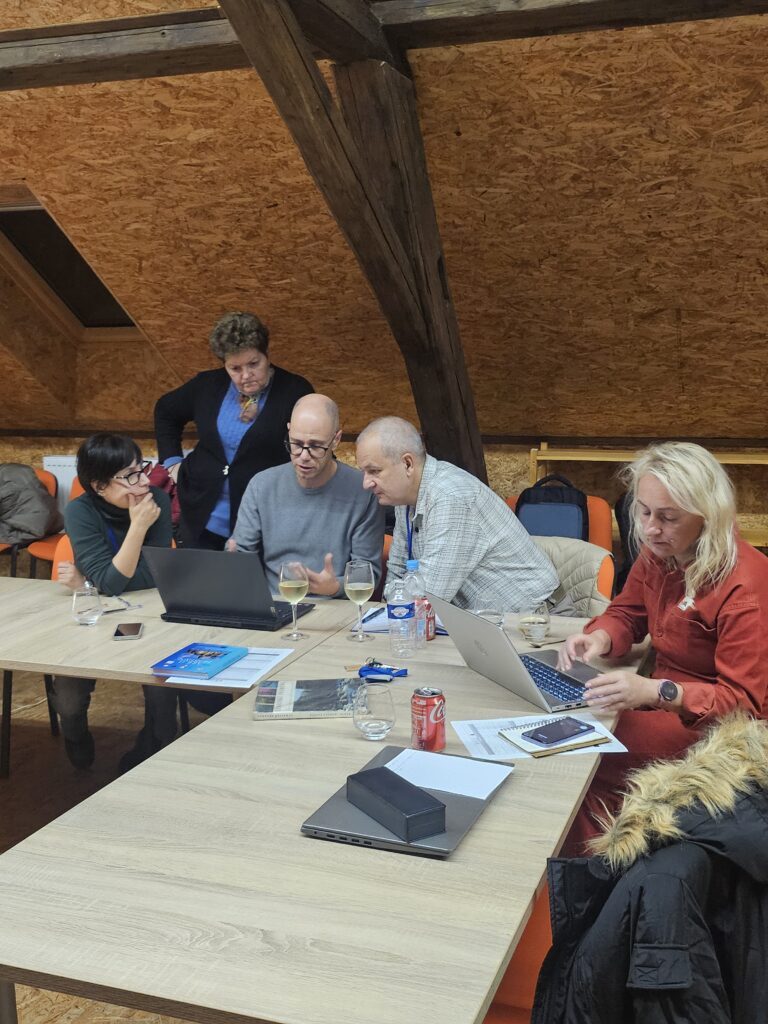
One does not often approve a complete Erasmus Mundus curriculum within sight of the former Iron Curtain—yet such was the distinction of the MULTI-HERITAGE consortium’s third face-to-face meeting, held from 10–13 November 2025 in the borderland village of Rybník, Czechia. This gathering marked a decisive moment in the project’s trajectory, bringing academic design, governance, and lived heritage into a most persuasive alignment.
Convened under the Erasmus Mundus Design Measures action, organised by University of South Bohemia and its Department of Geography and co-coordinated with Valahia University of Târgoviște (Romania), the meeting delivered three outcomes of some consequence: the formal approval of the full 120-ECTS joint Master’s curriculum, the endorsement of all course syllabi, and the consolidation of cooperation, accreditation, and quality-assurance pathways in readiness for the European Approach to accreditation. One might say the house is now very much in order.
The choice of venue was anything but incidental. Set within the former border zone dividing East and West, Rybník and its surrounding landscape offer a rare, almost unsettling clarity on how 20th-century political decisions inscribe themselves upon terrain, settlement, and memory. The consortium’s academic deliberations were therefore interwoven—quite deliberately—with curated field visits to the vanished villages of Lučina and Pleš, communities erased through post-war population transfers and border closures, and now standing as eloquent witnesses to Europe’s fractured past.
A visit to Horšovský Týn Castle provided a contrasting yet complementary register: an architectural palimpsest through which longer historical continuities could be read alongside rupture and loss. In this setting, the project’s guiding principle—heritage understood in context, rather than as isolated artefact—was rendered refreshingly tangible.
Indoors, matters were handled with equal thoroughness. The consortium approved the complete two-year programme architecture, confirming mobility pathways, semester hosting, and the progression from foundations through methods and tools to applied research. All syllabi were adopted in full, each aligned with EQF-level learning outcomes, ECTS workloads, assessment regimes, and integrated field and research components. A co-teaching model and joint supervision framework were likewise confirmed, ensuring intellectual coherence across institutions.
Governance, too, received its due attention. The partners finalised the contours of the Cooperation Agreement, established the mandates of the Steering Committee and specialist bodies (Admissions, QA, Curriculum, Dissemination, and Staff-Student Consultation), and refined joint policies on admissions, degree issuance, student services, and financial management. Progress across all nine EMDM deliverables was reviewed and confirmed, from joint promotion and student agreements to audit-ready administrative procedures.
The meeting was impeccably organised by the University of South Bohemia’s Department of Geography, under the guidance of Vojtěch Blažek, Petra Karvánková, and Jiří Rypl, whose programme balanced intellectual rigour with an unusually vivid sense of place. Their efforts allowed participants to move—sometimes within the same afternoon—from governance clauses to ghost villages, from accreditation timelines to landscapes marked by absence.
In sum, the Rybník meeting achieved what many aspire to but few quite manage: it joined strategic academic decision-making with direct engagement in the very heritage processes the programme seeks to teach, interpret, and preserve. With the curriculum now approved and accreditation preparations underway, MULTI-HERITAGE advances into its next phase with confidence—and, one suspects, a certain quiet satisfaction befitting the occasion.